
Introduction
If you've been researching skincare ingredients, you've likely encountered both tretinoin and retinol. While often mentioned together, these two powerful vitamin A derivatives are distinctly different. Understanding their differences is crucial for choosing the right product for your skin and avoiding potential complications.
What is Retinol?
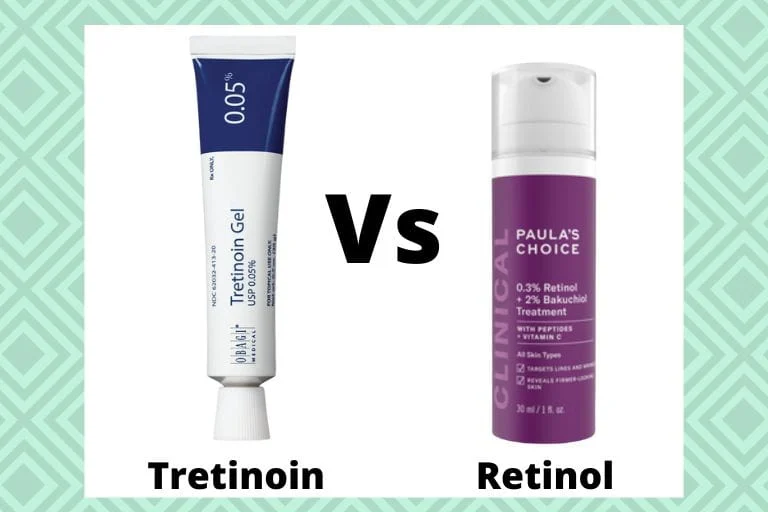
Retinol is a naturally occurring form of vitamin A found in animal-based foods and available in over-the-counter skincare products. It's a precursor to retinoic acid, meaning your skin must convert it before it can be used at the cellular level. This conversion process makes retinol less potent than tretinoin but also gentler on the skin.
What is Tretinoin?
Tretinoin (also known as retinoic acid or Retin-A) is a prescription-strength derivative of vitamin A. Unlike retinol, tretinoin is already in its active form, meaning it can immediately be used by your skin cells. This is why tretinoin is more potent and requires a prescription.
Key Differences: Retinol vs Tretinoin
Potency and Efficacy
Tretinoin is significantly more potent than retinol. Since tretinoin is already in its active form, it works faster and more effectively. Retinol, being a precursor, requires conversion, making it slower acting but still effective over time.
Availability
Retinol: Available over-the-counter in serums, moisturizers, and creams. No prescription needed.
Tretinoin: Requires a prescription from a dermatologist or doctor.
Side Effects and Irritation
Retinol: Generally milder side effects including slight redness, dryness, and peeling. Easier for beginners.
Tretinoin: More pronounced initial side effects including significant redness, peeling, and dryness. Requires careful introduction and dosing.
Results Timeline
Retinol: Typically shows visible results in 6-12 weeks with consistent use.
Tretinoin: Can show results in 4-8 weeks, though initial adjustment period may be longer.
Cost
Retinol: More affordable, ranging from £15-£50 per product.
Tretinoin: Generally more expensive due to prescription requirement and higher potency.
Comparison Table
| Feature | Retinol | Tretinoin |
|---|---|---|
| Prescription Required | No | Yes |
| Potency | Moderate | High |
| Irritation Level | Mild | Moderate to High |
| Conversion Time | Required | None (Active Form) |
| Best For | Beginners | Advanced Users |
Which Should You Choose?
Choose Retinol If:
- You're new to vitamin A skincare
- You have sensitive skin
- You want to start with a gentler option
- You prefer over-the-counter options
- You want to minimize irritation
Choose Tretinoin If:
- You've successfully used retinol before
- You want faster, more dramatic results
- You're treating specific concerns (acne, severe aging)
- You're willing to deal with initial side effects
- You can access a prescription
Can You Use Them Together?
No, you should not use tretinoin and retinol together. Since tretinoin is already in its active form, combining them would be redundant and increase irritation risk significantly.
Important Precautions
- Both can increase sun sensitivity; always use SPF 30+
- Do not use if pregnant or nursing
- Avoid vitamin C, benzoyl peroxide, and strong acids initially
- Always patch test new products
- Consult a dermatologist before starting tretinoin
Conclusion
Both retinol and tretinoin are effective vitamin A derivatives that can transform your skin. The key is choosing the right one for your experience level and skin type. Start with retinol if you're new to vitamin A skincare, and consider tretinoin once you've built tolerance and consulted with a dermatologist. Remember, consistency and patience are essential for seeing the best results with either ingredient.
Explore our range of high-quality retinol and tretinoin products at RetinolPlus, sourced from premium distributors and formulated for effective skincare.